

Better Information.
Better Cabinet Decisions.
Practical guidance on cabinet construction, door styles, layouts, ordering, installation realities, custom design, and the details that determine how a finished kitchen performs.
Explore cabinet collectionsGet layout & design helpDiscuss a custom project
81 resources · All topics

Technology · 4 min read
Hands Full, Phone Ringing? Meet AnswerCraft AI for Busy Tradespeople
Meet AnswerCraft AI, the new AI receptionist and custom voicemail app helping contractors and field professionals capture and organize missed calls.
Read the article
Kitchen design & style · 3 min read
Slim Shaker vs Traditional Shaker Cabinets: What’s the Difference?
Compare slim Shaker and standard Shaker cabinets by rail width, visual weight, kitchen style, hardware, and full-overlay construction.
Read the article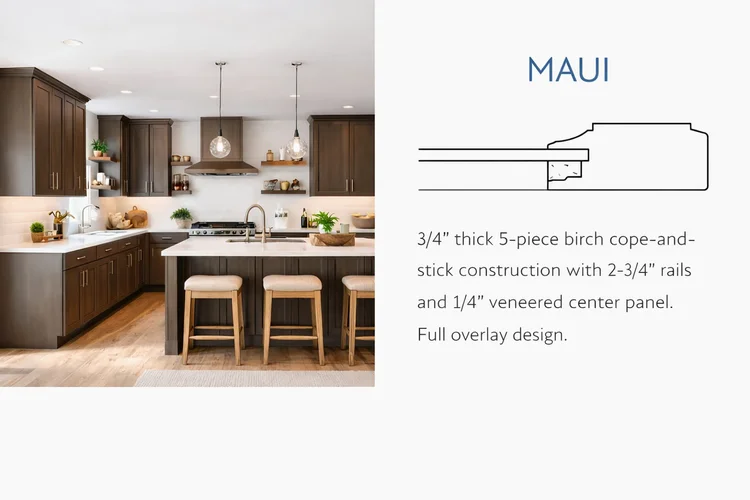
Construction & materials · 3 min read
Maui Cabinets Construction Specs: Full Overlay, Plywood Box & Dovetail Drawer Details
Review Maui Shaker cabinet specifications, including 3/4-inch hardwood doors, plywood boxes, dovetail drawers, shelves and soft-close hardware.
Read the article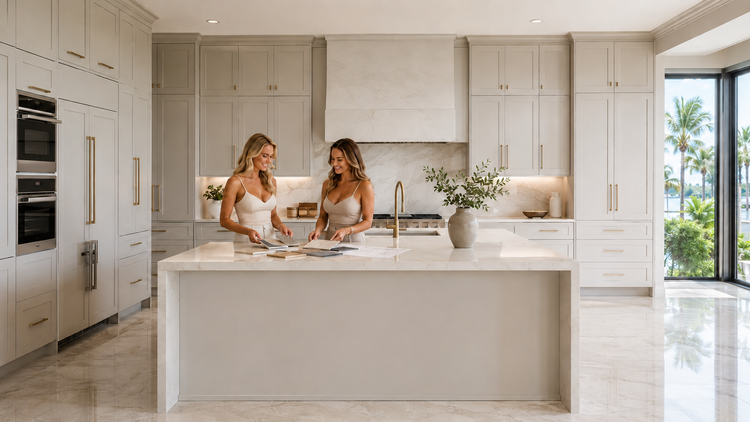
Kitchen design & style · 3 min read
Why Some Kitchens Look Custom — and Others Just Look Installed
Learn how cabinet symmetry, fillers, end panels, crown, appliance clearances and toe-kick transitions create a truly built-in kitchen.
Read the article
Buying & project planning · 3 min read
Buying Cabinets Online: What’s Included, What’s Not, and How Installation Works
Learn what an online cabinet order includes, what remains the buyer’s responsibility, and how DIY, contractor and Florida installation options work.
Read the article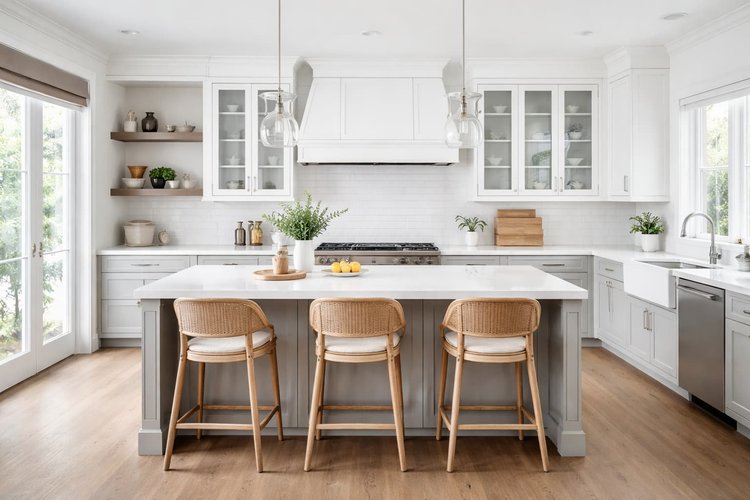
Buying & project planning · 3 min read
How to Choose the Right Cabinet Collection for Your Home or Project
Learn how to choose the right cabinet collection based on design, construction, and performance. Explore curated cabinetry options from MDI Luxury Cabinetry.
Read the article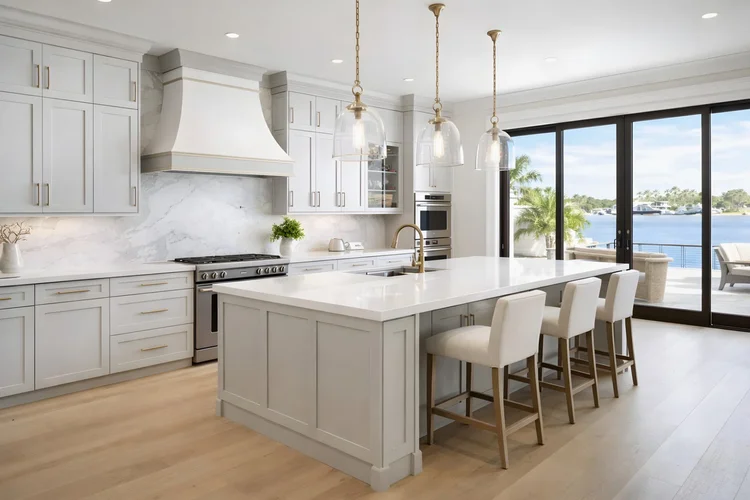
Custom cabinetry · 4 min read
Luxury Kitchen Cabinets
Explore luxury kitchen cabinetry with MDI in Pinellas Park. Refined finishes, custom design and 3D planning for homes throughout Pinellas County and Tampa Bay.
Read the guide
Buying & project planning · 3 min read
Buy Cabinets Online: How to Order Premium RTA Kitchen Cabinets Nationwide
Learn how to buy cabinets online with accurate measurements, 3D design, collection comparisons, order review, nationwide delivery and inspection guidance.
Read the article
RTA cabinets & collections · 3 min read
Custom Cabinetry vs RTA Cabinets: What’s the Difference?
Compare custom cabinetry and RTA cabinets by sizing, design flexibility, construction, lead time, cost, installation and the projects each fits best.
Read the article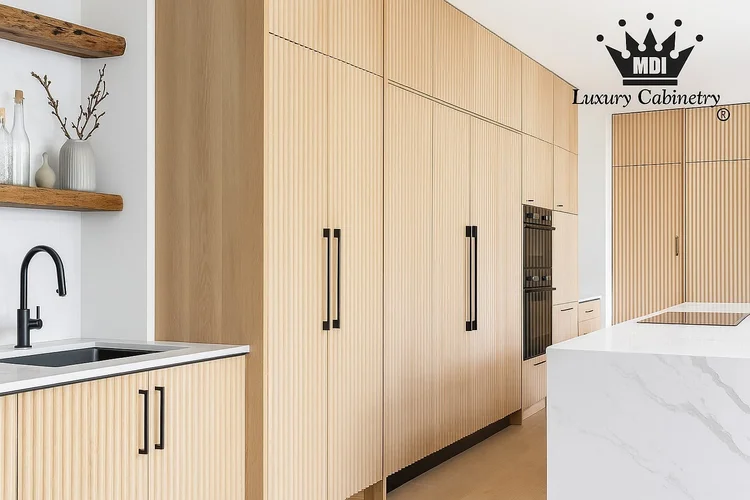
Kitchen design & style · 3 min read
Modern Fluted Cabinets for Snell Isle Homes
Explore modern fluted cabinets for Snell Isle kitchens, islands, vanities and built-ins, including materials, proportions, cleaning and coastal design guidance.
Read the article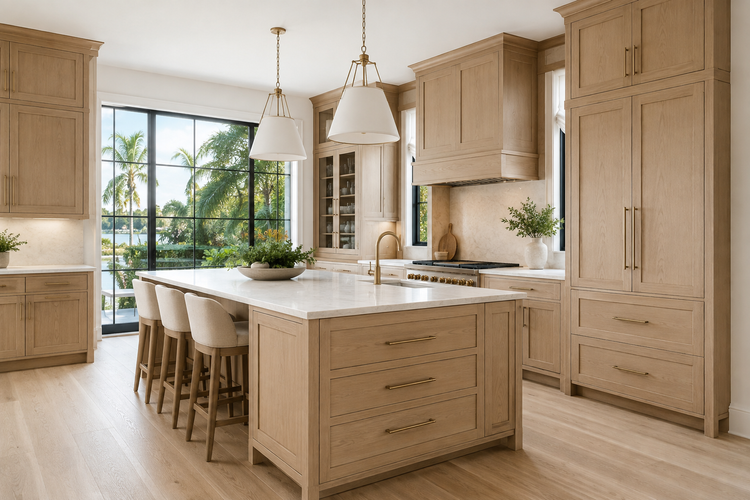
Kitchen design & style · 4 min read
Natural Wood Kitchens in Snell Isle | MDI Luxury Cabinetry
Plan natural wood kitchens in Snell Isle with guidance on wood species, grain variation, finishes, coastal light, durability, stone, hardware and cabinetry design.
Read the article
Buying & project planning · 3 min read
Buy Luxury Cabinets Online in Florida
Buy luxury cabinets online in Florida with collection comparisons, 3D design, order review, statewide delivery and local custom cabinetry options from MDI.
Read the article
Buying & project planning · 3 min read
Tariffs and Cabinet Prices in Pinellas County
Learn how tariffs, materials, hardware, freight and supplier pricing can affect cabinet quotes in Pinellas County—and how to plan without guessing.
Read the article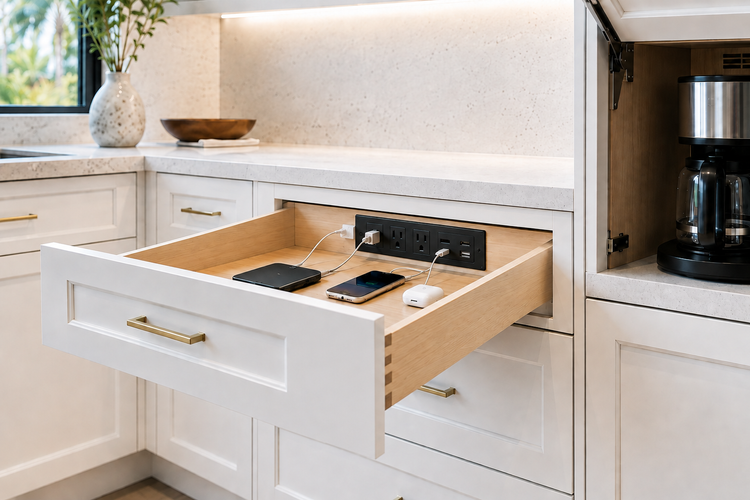
Technology · 3 min read
Hidden Tech Cabinets in Pinellas County
Plan hidden tech cabinets with charging drawers, appliance garages, concealed outlets, cable routing, ventilation, lighting and service access in Pinellas County.
Read the article
Kitchen design & style · 3 min read
Kitchen Design Ideas for Florida Homes
Explore evergreen Florida kitchen design ideas for layouts, indoor-outdoor flow, islands, cabinetry, storage, lighting, ventilation and coastal durability.
Read the article
Kitchen design & style · 3 min read
Kitchen Design Trends to Avoid
Avoid kitchen choices that age badly, including oversized islands, excessive open shelving, weak lighting, poor storage, finish overload and underplanned details.
Read the article
Construction & materials · 4 min read
Framed vs. Frameless Cabinets: Inset & Overlay Explained
Compare framed and frameless cabinets, plus inset, partial-overlay and full-overlay door construction, storage access, appearance and installation details.
Read the article
Installation & trades · 3 min read
Labor Day, Skilled Trades & the Craft Behind Cabinetry
Celebrate Labor Day by recognizing the skilled trades behind cabinetry, thoughtful kitchen planning, quality construction and lasting home improvements.
Read the article
Closets & storage · 4 min read
Prep Kitchens in Pinellas County: Storage & Design Guide
Plan a prep kitchen in Pinellas County with pantry storage, work zones, sinks, refrigeration, appliance clearances, lighting and custom cabinetry.
Read the article
Kitchen design & style · 4 min read
Luxury Kitchen Cabinet Trends That Last
Explore enduring luxury kitchen cabinet trends, including natural wood, slim Shaker doors, integrated appliances, pantry storage, lighting and custom details.
Read the article
Buying & project planning · 4 min read
Purchase Cabinets - Buying Cabinets Near Me in Seminole, Largo & St. Pete
Buy cabinets near Seminole, Largo, St. Pete and Pinellas Park. Compare RTA, custom cabinetry, collections, 3D design, ordering and project support.
Read the article
Buying & project planning · 4 min read
Buy Kitchen Cabinets Online in Largo, FL
Buy kitchen cabinets online in Largo, FL. Compare cabinet collections, measurements, 3D design, ordering, delivery, installation and local support.
Read the article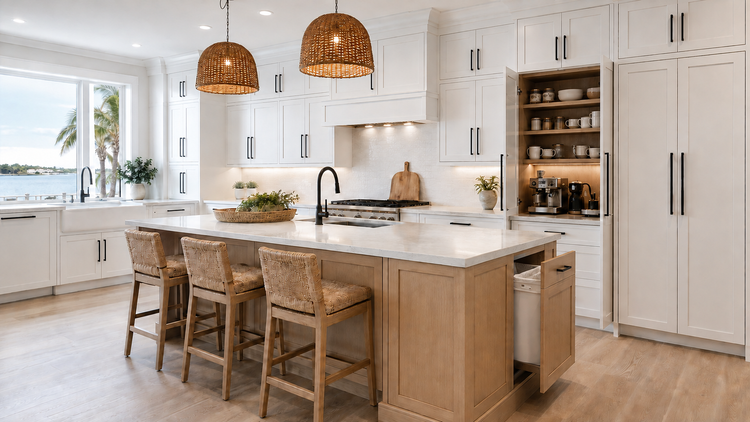
Kitchen design & style · 4 min read
Kitchen Cabinet Trends for Florida Homes That Last
Explore lasting Florida kitchen cabinet trends, including slim Shaker profiles, natural wood, ceiling-height storage, appliance garages and functional islands.
Read the article
Technology · 4 min read
How Cabinet Project Planning Prevents Ordering Mistakes
Cabinet project software is useful when it organizes accurate information. It cannot repair a bad measurement, choose an appliance, invent a missing filler, or determine who is responsible for delivery and installation. A reliable cabinet workflow connects verified field conditions, design decisions, product specifications, written approvals, ordering, receiving, installation, and final adjustments.
Read the article
Custom cabinetry · 4 min read
Custom & Luxury Cabinetry in Belleair, FL
Explore custom kitchen cabinetry, vanities, closets, wall units, and built-ins designed for luxury homes in Belleair, Florida, by MDI Luxury Cabinetry.
Read the article
Custom cabinetry · 5 min read
Real Wood Custom Cabinets | Tierra Verde & St. Pete Beach
Compare real wood custom cabinets, hardwood plywood, drawer construction, finishes, and coastal exposure for Tierra Verde and St. Pete Beach homes.
Read the article
Kitchen design & style · 5 min read
Luxury Kitchen Cabinet Trends That Actually Last
Explore timeless luxury kitchen cabinet trends, including natural wood, slim shaker profiles, mixed finishes, integrated storage, lighting, and islands.
Read the article
Construction & materials · 5 min read
Cabinet Making in Pinellas County: Craft, Tools & Precision
Explore cabinetmaking craft, dovetail joinery, materials, CNC precision, finishing, design review, and modern cabinetry production in Pinellas County.
Read the article
Buying & project planning · 5 min read
Buy Kitchen Cabinets Online With Confidence
Learn how to buy kitchen cabinets online by reviewing measurements, layouts, specifications, fillers, panels, freight, assembly, and installation.
Read the articleKitchen design & style · 4 min read
Kitchen Cabinet Trends for Florida Homes That Last
Discover how effortless it is to purchase premium real wood cabinetry at MDILuxurycabinetry.com. Simplify your search for elegant, durable cabinets today!
Read the article
Buying & project planning · 5 min read
How to Evaluate an Online Cabinet Supplier
Learn how to evaluate an online cabinet supplier by comparing construction, design support, order review, freight procedures, return terms, and policies.
Read the article
Construction & materials · 6 min read
Real Wood Cabinets in Pinellas County: What Buyers Should Know
Learn what real wood cabinets actually include, how wood species and natural variation differ, and what Pinellas County buyers should compare before ordering.
Read the article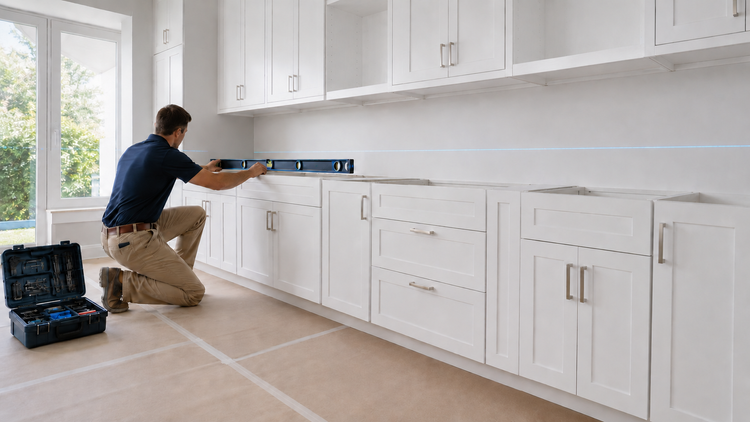
Installation & trades · 6 min read
Cabinet Installation Mistakes That Cause Expensive Problems
Avoid costly cabinet installation mistakes involving measurements, leveling, fastening, fillers, appliance clearances, countertop readiness, and alignment.
Read the article
Buying & project planning · 6 min read
Buying From MDI Luxury Cabinetry: What to Expect
Learn what MDI Luxury Cabinetry sells, how RTA and custom cabinetry differ, what design support includes, and what to expect when ordering and receiving cabinets.
Read the article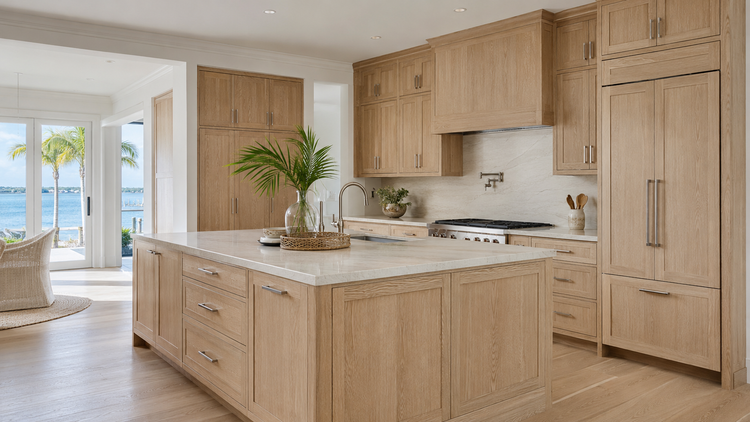
Construction & materials · 7 min read
White Oak Shaker Cabinets: Grain, Color Variation & Buying Guide
Learn how white oak grain, wood cut, color variation, door construction, finishes, and samples affect white oak Shaker cabinets before ordering.
Read the article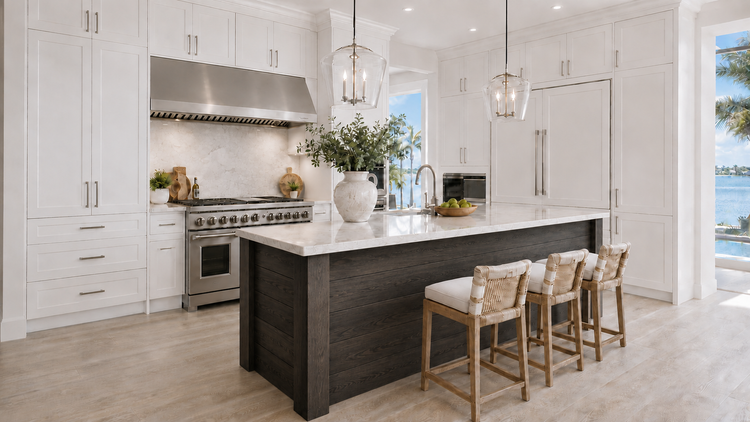
RTA cabinets & collections · 6 min read
NorthPoint Cabinetry by Hardware Resources: Collections, Construction & Ordering
Compare NorthPoint Catalina, Maui, and Hatteras cabinetry, including construction, overlay, finishes, assembly options, and ordering considerations.
Read the article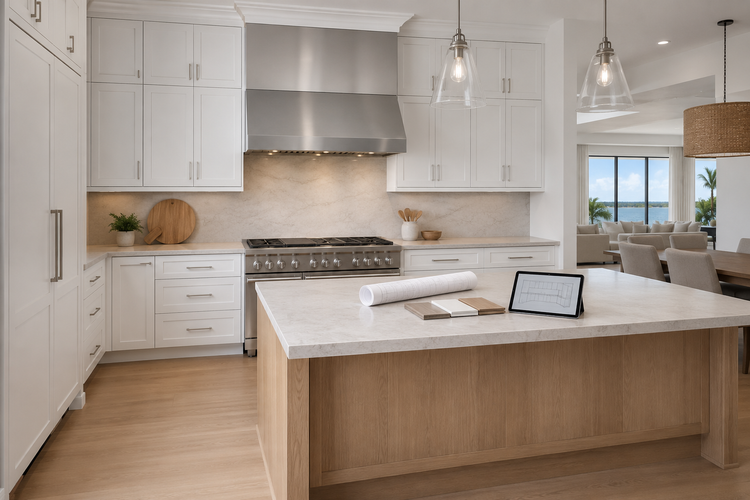
Buying & project planning · 6 min read
What Makes MDI Luxury Cabinetry Different?
Elevate your space with craftsmanship, sustainability, customization, innovation, & exceptional service from MDILuxurycabinetry.com. Quality & style await!
Read the article
RTA cabinets & collections · 7 min read
Is Buying RTA Cabinetry from MDI Luxury Cabinetry a Sustainable Option?
Learn when RTA cabinets can be a more sustainable choice through efficient shipping, durable construction, accurate planning, and reduced project waste.
Read the article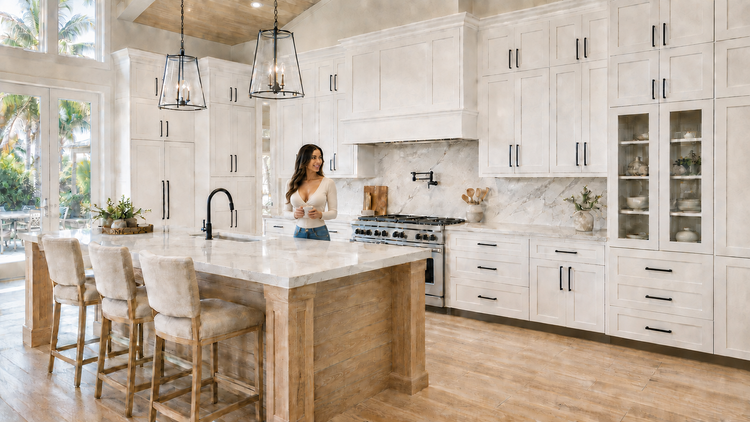
RTA cabinets & collections · 7 min read
8 Benefits of Choosing MDI Luxury Cabinetry for Your Shaker Cabinets
Discover eight benefits of full-overlay Shaker cabinets, including timeless style, multiple profiles, useful storage, durable construction, and expert planning.
Read the article
Kitchen design & style · 6 min read
Timeless Style: Slate Shaker Cabinets for Your Kitchen
Compare Maui Slate and Catalina Slate cabinets, explore dark-kitchen design ideas, and plan a full-overlay Shaker cabinet order with MDI Luxury.
Read the article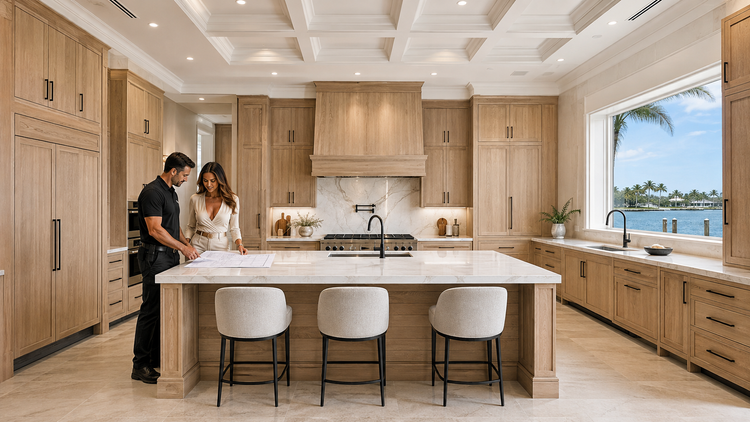
Closets & storage · 7 min read
15 Ways General Contractors Can Maximize Space with Real Wood Cabinetry
Explore 15 ways contractors can maximize kitchen space with real wood cabinets, deep drawers, tall storage, pantry planning, islands, and better layouts.
Read the article
Construction & materials · 3 min read
Why Choose White Oak Hardwood for Your Cabinetry?
Learn about White Oak cabinets, including rift-sawn grain, hardwood and veneer construction, natural color variation, finishes, and full-overlay design.
Read the article
Buying & project planning · 6 min read
Exploring the World of Custom Cabinets Online
Learn how to buy cabinets online, compare RTA and true custom cabinetry, use 3D design, review construction, and prevent expensive ordering mistakes.
Read the article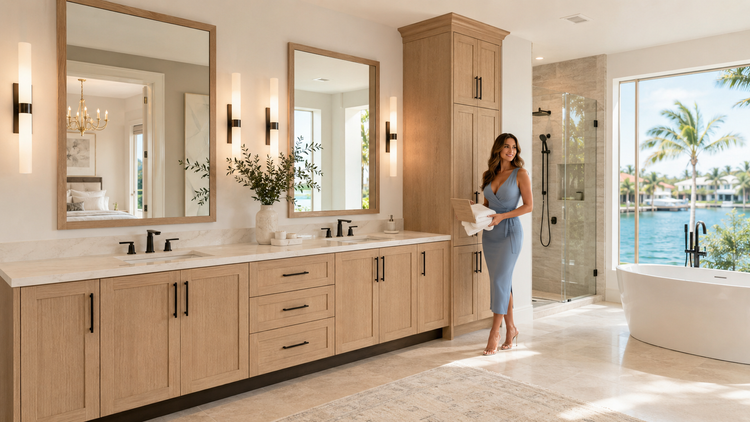
Bathroom vanities · 7 min read
Choosing the Perfect Bathroom Cabinetry for Your Home
Explore custom vanity cabinets designed around bathroom storage, plumbing, proportions, materials and style. Plan a better vanity with MDI Luxury Cabinetry.
Read the article
Bathroom vanities · 5 min read
Custom Vanity Cabinets: Style, Storage & Better Bathroom Design
Transform your space with custom vanity cabinets tailored to your needs and style. Discover the benefits, materials, and design tips with MDI Luxury Cabinetry!
Read the article
Installation & trades · 6 min read
How to Find Qualified Cabinet Installers Near You
Find qualified cabinet installers near you. Learn how to verify experience, insurance and licensing, compare quotes and avoid costly installation mistakes.
Read the article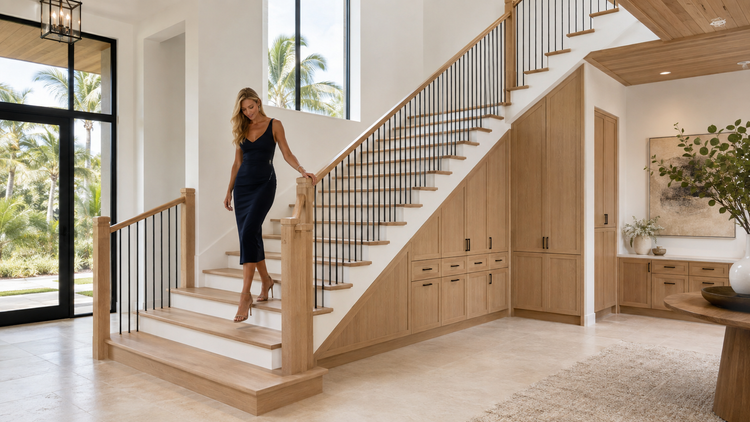
Kitchen design & style · 7 min read
Stair Design Ideas for Florida Homes
Explore stair design ideas for Florida homes, including white-oak treads, modern railings, lighting, under-stair cabinetry and coordinated interior finishes.
Read the article
Kitchen design & style · 7 min read
12 Cabinet Hardware Ideas That Look Professionally Designed
Explore 12 cabinet hardware ideas covering pull styles, finishes, sizing, placement, appliance pulls, mixed metals and hardware for Shaker cabinetry.
Read the article
Closets & storage · 4 min read
Choosing a Custom Closet Company in Clearwater Beach
Compare custom closet companies in Clearwater Beach. Learn what to look for in design, materials, installation, coastal performance and project proposals.
Read the article
Closets & storage · 6 min read
10 Affordable Custom Closet Ideas for Better Storage
Discover 10 affordable custom closet ideas using double hanging, adjustable shelves, selective drawers, upper storage and targeted lighting.
Read the article
Closets & storage · 7 min read
Custom Closet Organization Features Worth Adding
Explore custom closet organization features including adjustable shelves, drawers, jewelry organizers, hampers, valet rods, shoe storage and lighting.
Read the article
Buying & project planning · 7 min read
Personalized Luxury Cabinetry Buying Guide
Learn how to buy personalized luxury cabinetry by comparing cabinet types, construction, layouts, finishes, measurements, appliances and installation.
Read the article
RTA cabinets & collections · 7 min read
7 Ways Premium RTA Cabinets Can Create a Luxury Kitchen
Discover seven ways premium RTA cabinets can create a luxury kitchen through refined styles, strong construction, smart budgeting and professional planning.
Read the article
Closets & storage · 5 min read
8 Benefits of Luxury Custom Closets
Discover eight benefits of luxury custom closets, including better organization, tailored storage, premium cabinetry, 3D planning, and easier daily routines.
Read the article
Closets & storage · 5 min read
Custom Closets for Small Spaces in Seminole, FL
Discover how custom closets maximize small spaces in Seminole, FL with double hanging, drawers, shoe storage, upper cabinetry, lighting, and 3D planning.
Read the article
Buying & project planning · 6 min read
What Affects Custom Cabinet Cost in Clearwater, FL?
Learn what affects custom cabinet cost in Clearwater, including construction, layout, finishes, storage, panels, installation conditions, and project scope.
Read the article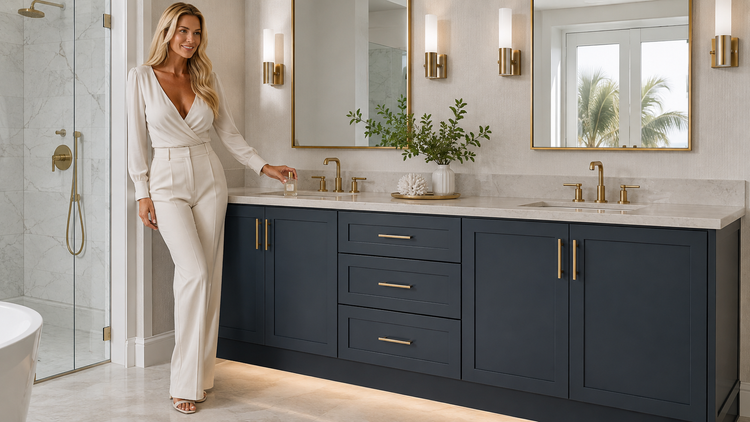
Bathroom vanities · 5 min read
5 Custom Vanity Cabinet Designs That Transform Bathrooms
Explore five custom bathroom vanity designs with balanced sinks, three-drawer storage, built-in layouts, linen cabinetry, and furniture-quality finishes.
Read the article
Closets & storage · 6 min read
12 Must-Have Features for Custom Closet Systems
Explore 12 custom closet features, including drawers, shoe storage, jewelry inserts, valet rods, hampers, mirrors, lighting, and adjustable shelving.
Read the article
Closets & storage · 3 min read
Modular Closets for Indian Rocks Beach Homes
Explore modular closets for Indian Rocks Beach homes with adjustable shelving, drawers, hanging storage, shoe organization, 3D design, and built-in styling.
Read the article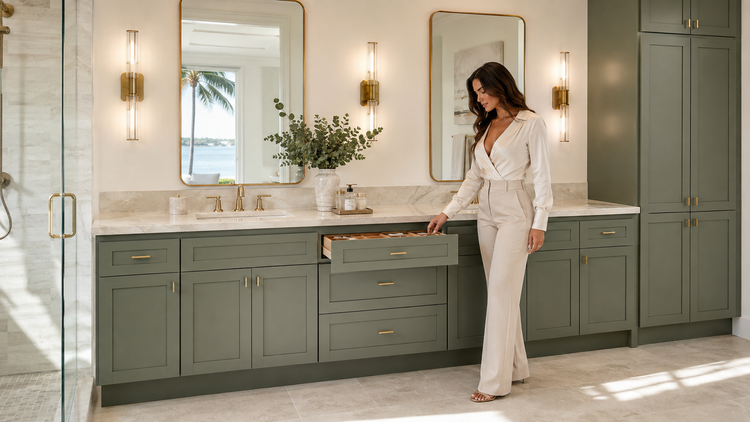
Bathroom vanities · 6 min read
Custom Bathroom Vanities in Pinellas County, FL
Explore custom bathroom vanities in Pinellas County with tailored layouts, three-drawer storage, coordinated linen cabinets, premium finishes, and 3D design.
Read the article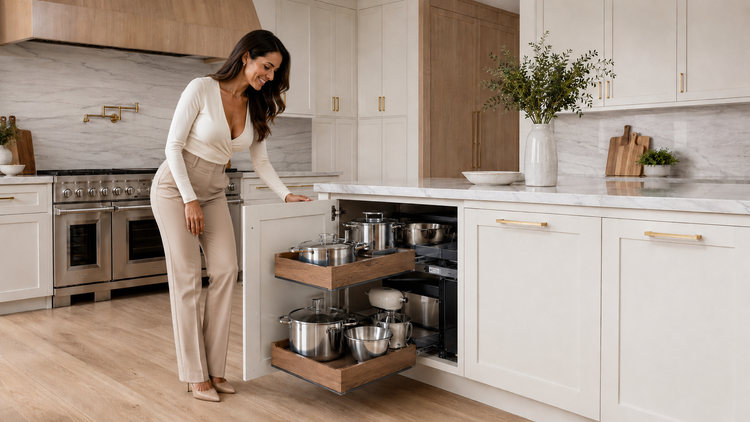
Closets & storage · 6 min read
Rev-A-Shelf Cabinet Storage Solutions
Explore Rev-A-Shelf spice pullouts, double trash systems, pantry organizers, blind-corner pullouts, under-sink storage, mixer lifts, and more.
Read the article
Installation & trades · 10 min read
Are Subcontractors Required to Be Licensed in Florida?
Learn when Florida subcontractors need licenses, when supervised work may be permitted, and how the Jim Walter Exemption applies to residential construction.
Read the article
RTA cabinets & collections · 7 min read
Are Ready-to-Assemble Cabinets Worth It?
Are ready-to-assemble cabinets worth it? Compare RTA quality, cost, construction, plywood boxes, dovetail drawers, assembly, installation, and value.
Read the article
Closets & storage · 7 min read
3D CAD Custom Closet Design in Pinellas County
Explore 3D CAD custom closet design in Pinellas County. Preview shelving, drawers, hanging space, lighting, finishes, and clearances before fabrication.
Read the article
Closets & storage · 7 min read
Luxury Custom Closets in Seminole, Pinellas Park & St. Petersburg
Luxury custom closets in Seminole, Pinellas Park and St. Petersburg with walk-in designs, drawers, shoe storage, lighting, islands, and 3D CAD planning.
Read the article
Installation & trades · 6 min read
Luxury Cabinet Installation in Pinellas County
Plan luxury cabinet installation in Pinellas County with proper measurements, level cabinet runs, fillers, toe kicks, aligned hardware, and final adjustments.
Read the article
RTA cabinets & collections · 6 min read
NorthPoint RTA Kitchen Cabinets | Hardware Resources
Shop NorthPoint Cabinetry online through MDI Luxury Cabinetry. Compare QuickBuild and assembled cabinets, Catalina and Maui styles, finishes, construction, and nationwide delivery.
Read the article
Kitchen design & style · 6 min read
Luxury Modern Farmhouse Kitchen Cabinetry Ideas
Explore luxury farmhouse kitchen cabinetry ideas including shaker cabinets, reclaimed wood accents, floating shelves, and modern farmhouse kitchen design inspiration.
Read the article
Buying & project planning · 6 min read
Louisiana Kitchen Cabinets | Buying & Design Guide
Shop kitchen cabinets for Louisiana homes with nationwide delivery, cabinet design assistance, RTA options, quality construction, and coordinated storage solutions.
Read the article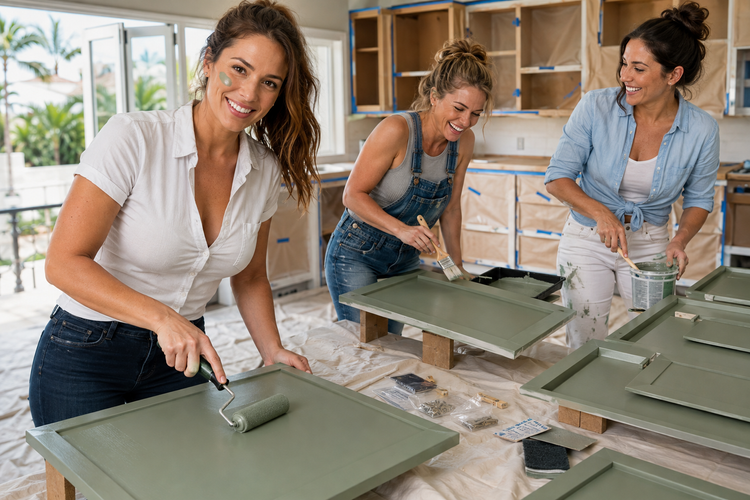
Kitchen design & style · 9 min read
Martha Stewart On Painting Cabinets (Step-by-Step)
Learn how to paint kitchen cabinets step by step, including cleaning, sanding, priming, coating, curing, reinstallation, and when replacement is smarter.
Read the article
Custom cabinetry · 5 min read
MDI Custom vs MDI Luxury Custom Cabinetry
Learn the differences between MDI Custom Cabinetry and MDI Luxury Cabinetry, including cabinet construction, dovetail drawers, plywood cabinet boxes, and premium craftsmanship.
Read the article
Closets & storage · 5 min read
Murphy Bed vs. Sofa Bed: Which Saves More Space?
Compare Murphy beds and sofa beds for comfort, floor space, seating, storage, installation, and multipurpose guest-room design.
Read the article
RTA cabinets & collections · 6 min read
Custom Cabinets vs. RTA Cabinets: How to Choose
Compare custom and RTA cabinets by sizing, construction, finishes, lead time, assembly, installation, cost, and the best use for each option.
Read the article
Closets & storage · 5 min read
Custom Closet Systems for Pinellas County Homes
Explore custom closet systems for Pinellas County homes, including walk-ins, reach-ins, drawers, shoe storage, lighting, hampers, and 3D design.
Read the article
Buying & project planning · 6 min read
Custom Cabinet Cost in Tierra Verde: Investment & Value
Learn what drives custom cabinet cost in Tierra Verde, including materials, finishes, storage, appliances, installation, coastal conditions, and project value.
Read the article
Construction & materials · 6 min read
What to Expect From a Modern Cabinet Maker
Learn what a professional cabinet maker should provide, from accurate design and construction details to appliance coordination, installation, and communication
Read the article
Kitchen design & style · 6 min read
Wood Cabinet Doors for Pinellas County Homes
Compare wood cabinet doors for Pinellas County homes, including white oak, walnut, maple, painted finishes, door profiles and construction.
Read the article
Kitchen design & style · 6 min read
Cabinet Door Styles for Pinellas County Homes
Compare Slim Shaker, traditional Shaker, raised-panel, slab and detailed cabinet-door styles for kitchens and homes throughout Pinellas County.
Read the article
Buying & project planning · 6 min read
How to Choose the Right Cabinet Maker for Your Kitchen Renovation
Learn how to choose a cabinet maker by comparing experience, construction, kitchen designs, pricing, installation responsibilities and project coordination.
Read the article
Kitchen design & style · 7 min read
Designer Kitchen Cabinets for Pinellas County Homes
Explore designer kitchen cabinets in Pinellas County, including architectural planning, appliance integration, luxury finishes, lighting and custom storage.
Read the article
Kitchen design & style · 7 min read
Custom Cabinet Door Styles for Pinellas County Homes
Explore custom cabinet-door styles in Pinellas County, including Shaker profiles, rail widths, raised panels, applied moulding, glass and wood finishes.
Read the articleReady to Move From Research to a Project?
Turn measurements and ideas into a coordinated cabinet plan before ordering.
Explore cabinet collections →Explore 3D design →Contact MDI →
Find the Cabinetry Answer You Need.
Search all 81 MDI articles or browse by topic. These guides cover cabinet construction, online ordering, custom design, installation, closets, vanities, local projects and the details that shape a successful result.
Featured Guides & New Releases
9 featured articlesBuying Cabinets & RTA Guides
Online ordering and product selectionCabinet Doors, Materials & Construction
Profiles, hardware and technical detailsKitchen Design & Inspiration
Layouts, finishes and architectural ideasCustom Closets & Storage
Organization and built-in storageBathroom Vanities
Vanity design and bathroom storageLocal & Custom Cabinetry
Pinellas County projects and investment guidesProject Planning & Industry Knowledge
Costs, responsibilities and planning realitiesTry a broader term such as “cabinets,” “doors,” “closets,” “installation” or “RTA.”
Ready to Move from Research to a Cabinet Plan?
Send MDI your measurements, appliance information and project goals. Our design team can help you compare collections, review the layout and determine the right cabinetry path.

Martha Stewart On Painting Cabinets (Step-by-Step)
Painting kitchen cabinets can dramatically change a room without replacing every cabinet box, but the finished result depends far more on preparation than enthusiasm. This step-by-step guide expands on cabinet-painting advice published by Martha Stewart and explains how to clean, label, sand, prime, paint, cure, and reinstall cabinet doors without turning a weekend refresh into a peeling mess.

Painting kitchen cabinets can dramatically change a room without replacing every cabinet box, but the finished result depends far more on preparation than enthusiasm. This step-by-step guide expands on cabinet-painting advice published by Martha Stewart and explains how to clean, label, sand, prime, paint, cure, and reinstall cabinet doors without turning a weekend refresh into a peeling mess.
Can Kitchen Cabinets Be Painted Successfully?
Yes—when the existing cabinet boxes and doors are structurally sound, the surface accepts the selected coating, and enough time is allowed for preparation and curing.
Painting changes the color and surface appearance. It does not correct poor cabinet construction, damaged boxes, failing drawer hardware, an ineffective layout, or doors that are already separating.
The Martha Stewart Cabinet-Painting Approach
Martha Stewart’s published guide to painting kitchen cabinets emphasizes the same fundamentals professional painters rely on: identify the cabinet material, remove doors and hardware, clean away kitchen residue, protect surrounding surfaces, create proper adhesion, prime when required, apply thin coats, and allow the finish to dry before reassembly.
You can read the original Martha Stewart cabinet-painting guide. The process below adds cabinet-construction and replacement considerations from MDI Luxury Cabinetry.
Before Painting: Decide Whether the Cabinets Are Worth Saving
Paint is worthwhile when the existing cabinets function correctly and the main problem is an outdated color or worn finish.
- Cabinet boxes are securely attached and remain square.
- Shelves and cabinet bottoms are not swollen or sagging.
- Door joints remain tight and stable.
- Drawer boxes operate correctly and are not separating.
- The kitchen layout still works for the household.
- The existing surface can accept the proposed coating system.
Know What Your Cabinets Are Made From
| Cabinet surface | Can it be painted? | Important preparation |
|---|---|---|
| Painted wood | Usually, if the existing finish is stable. | Degrease, repair defects, dull the surface, test adhesion, and use a compatible primer and topcoat. |
| Stained wood | Usually. | Clean thoroughly, sand or degloss, seal stains or tannins when necessary, and prime before painting. |
| MDF or HDF | Often, if dry and undamaged. | Avoid saturating exposed edges. Repair carefully and use a primer compatible with engineered fiber products. |
| Wood veneer | Often, if firmly bonded. | Sand lightly so the thin veneer is not damaged, then test the primer for adhesion. |
| Laminate or melamine | Sometimes. | Use a coating system specifically rated for the surface and perform an adhesion test before completing the kitchen. |
| Thermofoil | Problematic when the film is peeling or shrinking. | Paint should not be used to hide loose thermofoil. Replacement doors or new cabinetry may provide a more reliable result. |
Cabinet-Painting Supplies
- Cabinet-safe cleaner or degreaser
- Clean microfiber cloths
- Screwdriver or drill with controlled torque
- Numbered labels and small hardware bags
- Drop cloths or builder’s paper
- Painter’s tape and masking material
- Appropriate sandpaper or sanding pads
- Vacuum with fine-dust filtration
- Compatible bonding or stain-blocking primer
- Cabinet, door, or trim enamel
- Quality angled brush
- Fine-finish mini roller and clean trays
- Raised drying supports or door racks
- Appropriate ventilation and protective equipment
How to Paint Kitchen Cabinets Step by Step
Choose the Color and Finish
Compare the proposed cabinet color with the countertops, backsplash, flooring, wall color, appliance finishes, hardware, and natural light. Test a real painted sample vertically in the kitchen rather than making the decision from a small paper chip.
Satin and semi-gloss finishes are common cabinet choices because they provide better cleaning and wear resistance than typical wall paint while avoiding an excessively glossy appearance.
Photograph and Label Everything
Photograph the kitchen before removing anything. Assign every door and drawer front a number corresponding to its cabinet opening.
Place hinges, screws, pulls, and related hardware in labeled bags. Do not assume similar-looking doors or hinges can be moved freely. Small differences in hinge adjustment and opening size can complicate reinstallation.
Remove Doors, Drawer Fronts, and Hardware
Remove doors and drawer fronts rather than trying to paint them while attached. Remove hinges, pulls, knobs, bumpers, and other hardware from the painted components.
Painting around hinges and handles creates ridges, trapped paint, poor edge coverage, and mechanical problems. Set doors flat on raised supports or use a purpose-built drying rack.
Protect the Kitchen
Cover countertops, floors, appliances, sinks, and adjoining surfaces with properly secured protection. Mask the cabinet interiors when they are not being painted.
Control dust and provide ventilation appropriate for the cleaners, primers, and coatings being used.
Degrease Every Paintable Surface
Kitchen cabinets collect airborne cooking oil, food residue, hand oils, cleaning products, waxes, and silicone. Areas around the range, sink, waste cabinet, and frequently used handles typically need the most attention.
Clean before sanding. Sanding a greasy surface can spread contamination and force residue deeper into scratches. Rinse or neutralize the cleaner as directed and allow every component to dry completely.
Repair and Create Adhesion
Fill unwanted hardware holes, dents, and minor surface defects with a filler compatible with the substrate and coating system. Sand the repairs level after curing.
Dull glossy surfaces using the preparation method recommended by the primer manufacturer. The objective is normally to create uniform adhesion—not grind every door down to bare material.
Vacuum carefully and remove residual dust with a clean microfiber cloth.
Test and Apply Primer
Apply the selected primer to an inconspicuous prepared area and allow it to dry for the manufacturer’s required period. Test adhesion before committing to the entire kitchen.
Use a bonding primer for difficult surfaces and a stain-blocking system when existing stains, wood tannins, or discoloration could bleed through the new finish.
Apply thin, even coats and avoid heavy buildup in inside corners and around panel profiles.
Sand the Primer Smooth
After the primer has dried as directed, lightly sand drips, raised grain, dust particles, and rough transitions with fine sandpaper. Do not sand through the primer unnecessarily.
Vacuum and wipe the surface clean again before applying the finish coat.
Apply the First Finish Coat
Use a quality angled brush for corners, profiles, and detailed areas. Apply the coating to larger flat areas with a fine-finish mini roller while the brushed sections remain workable.
Maintain a wet edge and apply thin, consistent coats. Heavy paint can collect in corners, soften door details, sag on vertical surfaces, and require substantially longer curing.
Allow the Correct Recoat Time
Follow the product’s technical instructions instead of assuming every cabinet paint can be recoated the same day. Temperature, humidity, airflow, coating thickness, primer selection, and surface material all affect drying.
Applying another coat too early can trap moisture, extend curing, reduce hardness, and create marks or adhesion problems.
Apply the Second Coat
Inspect the first coat under strong side lighting. Lightly correct dust particles, small ridges, or surface defects only when the coating manufacturer permits sanding between coats.
Clean the surface and apply another thin, even finish coat using the same brush-and-roller sequence.
Let the Finish Cure
Dry-to-touch is not the same as cured. A cabinet coating may feel dry while remaining soft enough to imprint, stick, scratch, or chip during installation.
Follow the coating manufacturer’s cure and reassembly instructions. Use extra care during the first several weeks because some cabinet coatings continue gaining hardness for approximately 30 days.
Reinstall and Adjust
Reinstall each labeled door and drawer front in its original position. Replace bumpers and reinstall clean hardware only after the coating is ready for handling.
Adjust hinges for consistent door alignment and reveals. Avoid overtightening handles against a finish that has not achieved sufficient hardness.
Common Cabinet-Painting Mistakes
- Painting doors while they remain attached
- Leaving hinges or pulls on the doors
- Sanding before removing grease
- Skipping the adhesion test
- Using ordinary wall paint on high-contact surfaces
- Applying thick coats to finish faster
- Ignoring recoat times
- Reinstalling before the finish has hardened
- Painting over peeling thermofoil
- Expecting paint to repair damaged cabinet boxes
How Long Does Cabinet Paint Take to Cure?
Cure time depends on the selected product. Some coatings can be handled or recoated within hours, but that does not mean they are ready for normal kitchen use.
Benjamin Moore advises that painted cabinets may be dry to the touch within several hours but can require approximately 30 days to reach full cure. Sherwin-Williams similarly instructs users to follow product-specific drying and recoat periods before reinstalling doors and hardware.
During early curing:
- Close doors and drawers gently.
- Avoid aggressive cleaning.
- Do not hang damp towels over doors.
- Clean spills by lightly dabbing instead of scrubbing.
- Avoid striking the finish with rings, tools, or cookware.
- Do not tighten hardware enough to crush soft paint.
When Painting Is Better Than Replacing
Painting can make sense when:
- The cabinet construction remains solid.
- The doors and drawers operate correctly.
- The existing layout works well.
- The customer likes the existing door style.
- The primary goal is a color change.
- The substrate accepts a durable coating system.
When New Cabinets Are the Better Investment
Replacement deserves serious consideration when:
- Cabinet boxes are swollen, damaged, or separating.
- Thermofoil is peeling from multiple doors.
- Drawer boxes or slides are failing.
- Storage and appliance clearances are poor.
- The kitchen layout needs to change.
- The homeowner wants taller cabinets or ceiling-height storage.
- The cost of professional refinishing approaches the value of new cabinetry.
Before investing substantial labor in old cabinets, compare the painting proposal with the construction, storage, and finish options available through MDI’s Cabinet Collections and Order Cabinets Online pages.
Frequently Asked Questions
Can you paint kitchen cabinets without sanding?
Some bonding primers may permit application to properly cleaned paintable surfaces without traditional sanding, but the surface must still meet the product’s preparation requirements. Always perform an adhesion test before painting the entire kitchen.
Should cabinet doors be removed before painting?
Yes. Removing and labeling the doors and drawer fronts provides better edge coverage, prevents paint buildup around hinges, and makes it easier to achieve an even finish.
Should cabinet hardware be removed before painting?
Yes. Hinges, pulls, knobs, bumpers, and related hardware should be removed and labeled. Painting around hardware can create ridges, sticking, poor coverage, and mechanical problems.
What type of paint is best for kitchen cabinets?
Use a durable coating specifically recommended for cabinets, doors, or trim and compatible with the selected primer and cabinet substrate. Satin and semi-gloss finishes are commonly used for their durability and cleanability.
Can laminate cabinets be painted?
Some laminate and melamine surfaces can be painted using a compatible bonding system. Clean the surface thoroughly and test primer adhesion before proceeding.
Can peeling thermofoil cabinets be painted?
Painting over loose or shrinking thermofoil is unlikely to create a durable result. Replacement doors or new cabinetry may be more reliable when the film is failing throughout the kitchen.
How many coats of paint do kitchen cabinets need?
Many systems use one compatible primer coat followed by two thin finish coats, but the exact system depends on the substrate, existing color, selected products, and manufacturer instructions.
How long should cabinet paint cure?
Follow the specific coating manufacturer’s instructions. Cabinets may be dry enough for careful handling within days while continuing to gain hardness for several weeks. Some cabinet coatings require approximately 30 days for full cure.
Is painting cabinets cheaper than replacing them?
It can be when the existing cabinets are structurally sound and the work is completed efficiently. If the boxes, doors, drawers, hardware, or layout also need correction, replacement may provide better long-term value.
Paint Them—or Start Fresh?
Before spending weeks preparing old cabinets, compare their condition and layout with the cost and performance of new cabinetry. MDI Luxury Cabinetry can help you evaluate cabinet collections, construction, storage, and design options.
This article summarizes general cabinet-painting practices and links to independently published guidance from Martha Stewart, Benjamin Moore, and Sherwin-Williams. MDI Luxury Cabinetry is not affiliated with or endorsed by Martha Stewart or Martha Stewart Living. Always follow the technical instructions and safety requirements for the exact cleaner, primer, paint, substrate, and application method being used.